Choosing an Asphalt Contractor in Central Florida: What to Look For
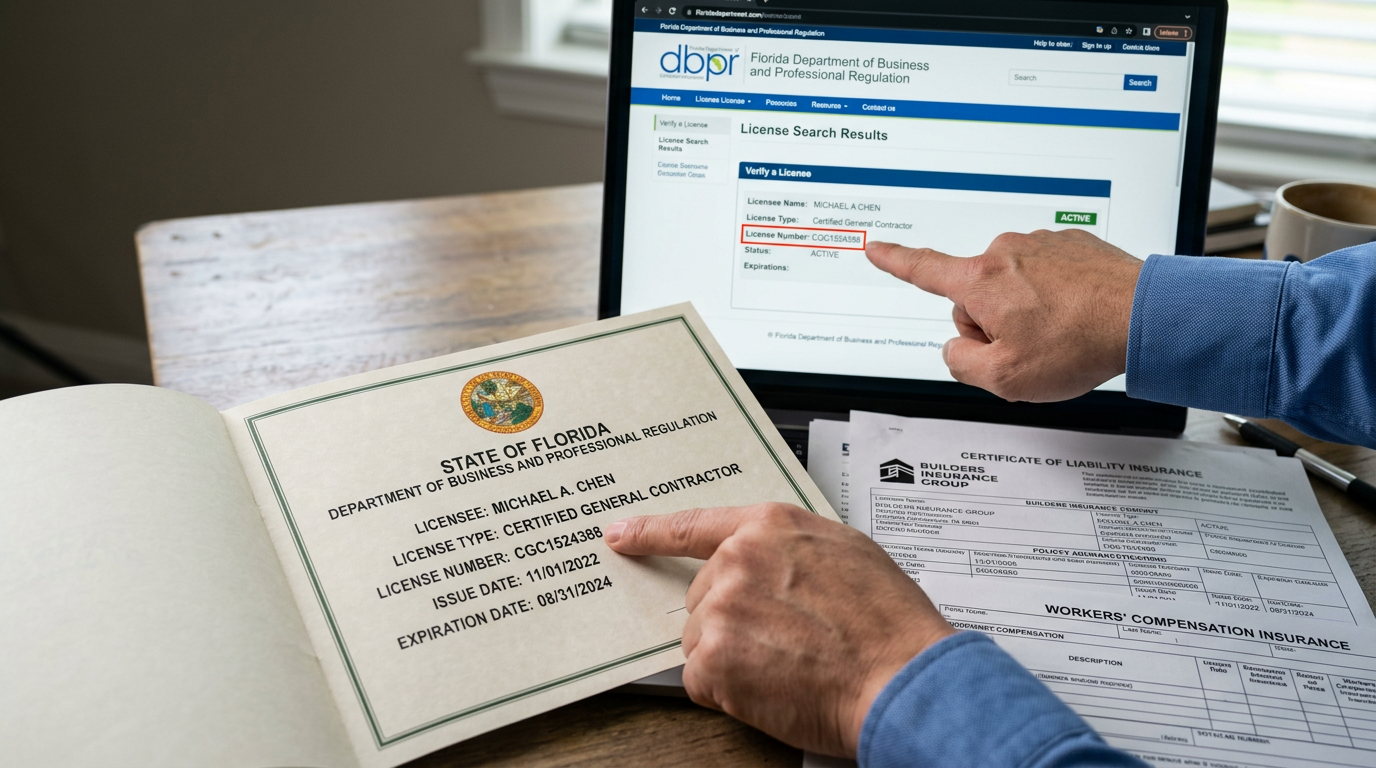
Florida requires specific licensing for asphalt paving contractors, and verifying these credentials should be your absolute first step. The Florida Department of Business and Professional Regulation maintains an online database where you can instantly verify any contractor’s license status, complaint history, and current standing.
Look for contractors holding either a Certified General Contractor (CGC) license for larger commercial projects or a Certified Building Contractor (CBC) license for residential work. These licenses require demonstrated experience, financial responsibility, and successful completion of comprehensive examinations covering construction law, business practices, and technical knowledge.
In Marion County around Ocala, many reputable contractors also carry specialized certifications for equestrian facility construction. Given the area’s status as the “Horse Capital of the World,” these additional credentials demonstrate understanding of specialized requirements like proper drainage for horse traffic areas, load-bearing specifications for heavy equipment access, and surface textures appropriate for equine safety.
Insurance verification is equally critical and often overlooked by property owners. Florida contractors must carry both general liability and workers’ compensation insurance. Always request current certificates of insurance directly from the contractor’s insurance company—never accept just copies of policies. This protects you from liability if accidents occur on your property and ensures the contractor can cover any damage to existing structures.
For larger projects, bonding requirements provide additional financial protection. Bonded contractors have demonstrated financial stability and provide security for your investment. The bond amount should typically represent 10-15% of the contract value for commercial work.
Evaluating Technical Expertise and Local Climate Knowledge
Quality asphalt contractors demonstrate deep understanding of materials science and how Florida’s climate affects pavement performance. When interviewing potential contractors, ask specific questions about their approach to mix design selection, compaction procedures, and quality control testing.
In Central Florida’s extreme heat, experienced contractors specify PG 76-22 or higher performance grade binders to resist rutting when temperatures soar above 95°F for months at a time. They should explain how they adjust mix designs for local aggregate sources and discuss their compaction procedures to achieve the required density while maintaining proper temperature control during placement.
Look for contractors who reference industry standards like AASHTO specifications, ASTM testing procedures, and NAPA (National Asphalt Pavement Association) best practices. This demonstrates professional knowledge and commitment to following recognized construction procedures rather than relying on outdated methods or shortcuts.
Experience with local soil conditions is particularly crucial in Central Florida. Ocala’s limestone subgrade requires specific attention to base preparation and drainage design to prevent settlement issues common in karst geology. Meanwhile, Davenport’s sandy soils may need stabilization techniques for heavy-duty applications, especially in areas serving vacation rental properties with frequent traffic.
Ask for examples of similar projects completed in your immediate area, particularly those finished 5-10 years ago. A quality contractor will proudly show you their long-term successes and explain the specific techniques that made those projects durable. They should also be transparent about any challenges they’ve encountered and how they’ve refined their processes over time.
Assessing Equipment, Crew Experience, and Project Management
Professional asphalt contractors invest heavily in proper equipment because quality construction simply cannot be achieved with inadequate tools. During your evaluation, inquire about their equipment inventory, maintenance procedures, and backup plans for equipment failures.
For typical residential and commercial projects, contractors should own or have reliable access to modern compaction equipment, including vibratory rollers for base preparation and pneumatic tire rollers for asphalt finishing. They should also have proper equipment for tack coat application, temperature monitoring throughout the paving process, and efficient material handling to maintain quality.
Crew experience and stability matter significantly in asphalt construction. Ask about crew tenure and training programs—contractors with high employee turnover often struggle with consistent quality control. Experienced crews understand the critical importance of timing in asphalt construction, particularly in Florida’s climate where afternoon thunderstorms can suddenly disrupt paving operations.
Project management capabilities become evident through communication style and planning approach. Quality contractors provide detailed written proposals that clearly specify materials, construction procedures, and realistic timelines. They should explain how they coordinate with material suppliers, handle inevitable weather delays, and manage traffic control for commercial projects.
Look for contractors who discuss seasonal planning specific to Central Florida’s unique conditions. While the region allows year-round paving, summer’s intense heat and predictable afternoon storms require adjusted scheduling and specialized procedures. Experienced contractors plan around these conditions rather than fighting them, resulting in better outcomes and fewer delays.
Verifying References and Evaluating Past Performance
Thorough reference checking reveals more about contractor quality than any sales presentation or marketing material. Request references from projects completed within the past 2-3 years, focusing specifically on similar project types, sizes, and local conditions. Don’t just accept a generic list—ask for specific project details including exact location, scope of work, and completion timeline.
When contacting references, ask targeted questions about the contractor’s actual performance. Did they complete the work on schedule despite weather challenges? How did they handle unexpected site conditions or change orders? Was the final result exactly what was promised? Most importantly, would the customer hire them again for future projects?
Drive by recent projects whenever possible, particularly those completed 2-5 years ago in similar Central Florida conditions. This allows you to evaluate long-term performance rather than just initial appearance. Look for signs of premature cracking, rutting, or edge deterioration that might indicate construction deficiencies or inappropriate material selection.
For commercial projects in Davenport’s tourism corridor or Ocala’s specialized equestrian facilities, ask specifically about the contractor’s experience with demanding applications. Tourism-related properties need pavements that can handle heavy seasonal traffic loads, while horse facilities require understanding of drainage requirements and surface textures that ensure both durability and equine safety.
Check with local material suppliers about the contractor’s reputation and business practices. Suppliers work with contractors regularly and can provide valuable insights into their professionalism, payment history, and technical competence. Contractors who maintain strong relationships with suppliers typically demonstrate better overall business practices and reliability.
Critical Red Flags and Warning Signs
Several warning signs should immediately eliminate contractors from consideration, regardless of their bid price or promises. Door-to-door solicitation, particularly after storms, often indicates fly-by-night operators who may not be properly licensed, insured, or committed to long-term quality.
Unusually low bids frequently signal dangerous corner-cutting that will cost significantly more in premature repairs and replacement. Quality asphalt construction has established material and labor costs—contractors who bid substantially below market rates either don’t understand their true costs or plan to cut corners on critical materials or procedures.
Be extremely wary of contractors who demand full payment upfront or pressure you to sign contracts immediately without allowing time for proper consideration and verification. Professional contractors understand that quality work speaks for itself and customers deserve time to make informed decisions.
Lack of established local presence is another serious red flag, particularly for warranty service and long-term support. Contractors from distant locations may not understand local climate challenges and soil conditions, and are far less likely to honor warranty commitments when problems arise.
Avoid any contractor who cannot provide complete, current documentation—valid licenses, current insurance certificates, or detailed written proposals with specific material specifications. This often indicates either inexperience or intentional avoidance of regulatory requirements designed to protect consumers.
The lowest bid rarely represents the best long-term value when selecting an asphalt contractor for Central Florida conditions. Focus on contractors who demonstrate proven technical competence, maintain all required licensing and insurance, and have established track records of quality work in our region’s challenging climate.
Consider the contractor’s communication style and professionalism throughout your entire evaluation process. Contractors who are consistently responsive, thorough, and honest during the bidding phase typically maintain these valuable qualities throughout project execution and beyond.
APC Asphalt Paving has proudly served Central Florida’s diverse paving needs for years, with particular expertise in Ocala’s world-renowned equestrian facilities and commercial projects throughout the region. Owner John Wells and our experienced team understand the unique challenges of Florida’s subtropical climate and maintain all required licensing, comprehensive insurance coverage, and bonding to fully protect your investment.
From Davenport’s growing vacation rental developments to Ocala’s prestigious thoroughbred training facilities, we’ve built our solid reputation on consistent quality construction, professional service, and lasting customer relationships. Our extensive service area coverage throughout Marion and Polk Counties ensures prompt response for both new construction projects and comprehensive warranty service.
Whether you need residential driveway paving, commercial parking lot construction, or specialized equestrian facility surfaces, APC Asphalt Paving brings the local expertise and proven track record your project deserves.
Ready to discuss your specific asphalt paving project with Central Florida’s trusted professionals? Contact APC Asphalt Paving today at (𝟴𝟬𝟬) 𝟳𝟳𝟵-𝟬𝟳𝟲𝟳 for a comprehensive consultation and detailed written proposal. We’ll carefully evaluate your unique requirements, explain our proven construction approach, and provide all the documentation you need to make a confident hiring decision.
Don’t leave your pavement investment to chance—call APC Asphalt Paving now to schedule your free on-site assessment and discover why discerning property owners throughout Ocala, Davenport, and Central Florida trust us for their most important paving projects.
