Cold Mix vs. Hot Mix Patching: What Works Best in Florida Heat
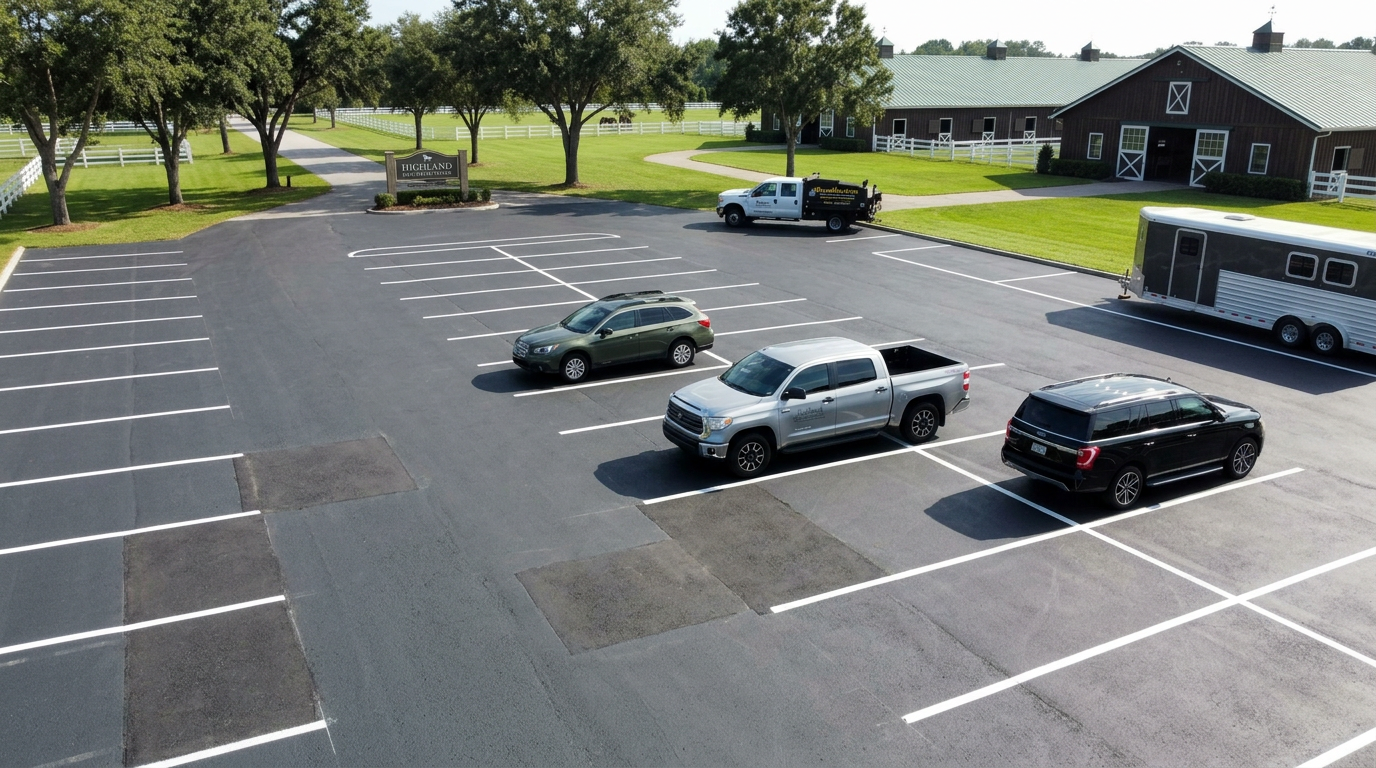
Hot mix asphalt represents the gold standard for permanent asphalt repairs, particularly in Florida’s challenging environment. This material consists of heated aggregate and asphalt binder mixed at temperatures between 300-350°F, creating a workable mixture that compacts to form a durable, long-lasting repair.
The science behind hot mix performance lies in its superior density characteristics. When properly installed, hot mix asphalt achieves optimal compaction, creating a repair that prevents water infiltration while maintaining enough flexibility to handle Florida’s thermal cycling between scorching days and cooler nights.
In Clearwater’s coastal environment, where salt exposure from the Gulf Coast and heavy tourism traffic from Clearwater Beach create additional stresses, hot mix patching provides the structural integrity needed for long-term performance. The material’s ability to achieve proper density through compaction creates a repair that performs as well as the surrounding pavement. For Brandon’s extensive commercial corridors along major retail strips, where shopping center parking lots endure constant traffic loads, properly installed hot mix patches can last 10-20 years.
The installation process is crucial for hot mix success. Proper preparation includes square-cutting damaged areas and applying tack coat to bond the new material to existing pavement edges. This thorough approach prevents the edge failures that commonly plague inferior repairs, addressing root causes rather than just surface symptoms.
Cold Mix Asphalt: Convenience with Limitations
Cold mix asphalt offers significant convenience advantages, particularly for emergency repairs and situations where hot mix isn’t readily available. This material can be stored at ambient temperatures and applied without heating, making it valuable for rapid response situations.
However, Florida’s intense heat reveals cold mix’s fundamental limitations. The material typically achieves lower compaction levels compared to hot mix, creating higher void content that allows water infiltration and accelerates deterioration - particularly problematic in Florida’s humid subtropical climate where afternoon thunderstorms are common.
Temperature sensitivity becomes a critical factor in Florida applications. While cold mix provides adequate performance during cooler months, summer heat can cause the material to become soft and prone to displacement under traffic. In Brandon’s high-traffic commercial areas like Westfield Brandon mall and surrounding retail centers, cold mix patches often show deterioration within 3-6 months during peak summer conditions.
The bonding characteristics of cold mix also differ significantly from hot mix. Without heat-activated bonding, cold mix relies on mechanical interlocking and ambient temperature curing. This results in weaker bonds to existing pavement, making cold mix patches more susceptible to edge failures.
Despite these limitations, cold mix serves important functions in Florida’s maintenance programs. For emergency pothole repairs during hurricane season or temporary fixes while planning permanent solutions, cold mix provides immediate safety improvements.
How Florida’s Extreme Heat Affects Patching Materials
Florida’s climate presents unique challenges that dramatically affect patching materials performance. Surface temperatures on dark asphalt can exceed 140°F during summer months in areas like Clearwater’s beach access parking lots and Brandon’s expansive retail parking areas, creating conditions that test every aspect of material design.
Thermal cycling between extreme daytime heat and nighttime cooling creates expansion and contraction stresses that inferior materials cannot withstand. Hot mix asphalt’s engineered composition provides the flexibility needed to accommodate these movements without cracking, maintaining structural integrity across Florida’s temperature range.
In Clearwater’s coastal environment, additional factors compound the heat challenge. Salt spray from the Gulf accelerates deterioration processes, while high humidity affects curing characteristics. Hot mix’s denser structure provides better protection against these environmental factors compared to cold mix’s more porous nature.
UV radiation in Florida’s intense sunshine breaks down asphalt binder over time, but hot mix’s denser structure provides superior protection. Cold mix’s higher void content allows deeper UV penetration, accelerating the aging process that turns patches gray and brittle.
When pavement temperatures reach 120-140°F, the asphalt binder softens significantly. Hot mix’s proper aggregate structure maintains stability even when the binder approaches its softening point, while cold mix’s looser structure may allow rutting and displacement under traffic loads.
When to Choose Each Patching Method
Hot mix asphalt patching should be your first choice for any repair intended to last more than one season. This includes permanent repairs to parking lots, driveways, roadways, and high-traffic areas where long-term performance justifies the higher initial investment.
Specific situations favoring hot mix include:
Structural repairs where the base has failed
High-traffic areas like commercial parking lots and loading zones
Permanent solutions for property owners planning long-term ownership
Large patches over 20 square feet where setup costs are justified
Critical areas where failure would create safety or liability issues
In Brandon’s retail corridors along Highway 60 and surrounding commercial developments, hot mix patching makes economic sense for shopping centers and commercial properties where pavement appearance and performance directly impact business operations. The 10-20 year service life of properly installed hot mix patches provides excellent return on investment.
Cold mix patching serves specific applications where convenience outweighs performance limitations:
Emergency repairs requiring immediate attention for safety
Remote locations where hot mix delivery is impractical
Temporary repairs planned for replacement within 6-12 months
Small potholes under 2 square feet where full setup isn’t cost-effective
Situations requiring immediate traffic restoration
For Clearwater’s tourism-dependent businesses near the beach and downtown areas, cold mix provides rapid response capability during peak season when disrupting operations for major repairs isn’t practical. However, these temporary repairs should be scheduled for hot mix replacement during slower periods.
Installation Best Practices for Florida Conditions
Successful patching in Florida’s climate requires adapting procedures to local conditions. Temperature management becomes critical, particularly during summer months when ambient temperatures exceed 95°F.
Hot mix installation requires careful timing to avoid working during peak heat hours. Early morning placement (6-10 AM) provides optimal conditions before pavement temperatures become excessive. The material should be placed while still hot enough to achieve proper compaction.
Moisture management is crucial in Florida’s humid environment. All surfaces must be completely dry before installation, which can be challenging during Clearwater’s afternoon thunderstorm season or Brandon’s frequent summer rain events. Proper drainage around repair areas prevents water accumulation that can undermine patch performance.
Compaction procedures must account for Florida’s heat. Proper equipment achieves necessary density on patches, with larger repairs benefiting from professional-grade compaction equipment. The key is achieving optimal density while the material remains workable.
Edge sealing becomes particularly important in Florida’s wet climate. After patches cure (typically 24-48 hours), sealing the perimeter prevents water infiltration at patch edges - a common failure point during heavy rain events common throughout Central Florida.
For cold mix applications, Florida conditions require modified procedures. The material should be worked during cooler periods when possible, and additional compaction effort is needed to achieve maximum density.
Cost Analysis and Long-Term Value
Understanding the true cost of patching materials requires looking beyond initial prices to long-term performance and lifecycle costs. Hot mix patching typically costs more upfront but provides significantly longer service life.
While hot mix represents a higher initial investment, the service life difference dramatically affects long-term value. Hot mix patches lasting 10-20 years provide much better cost per year of service compared to cold mix patches requiring replacement every 6-18 months.
Labor efficiency also favors hot mix for larger projects. While individual small potholes may be more cost-effective with cold mix, repairs over 20 square feet benefit from hot mix’s superior workability and single-application permanence.
Liability considerations add another cost dimension. Failed patches create trip hazards and potential vehicle damage claims. Hot mix’s superior long-term performance reduces these risks, particularly important for commercial properties in Brandon’s busy retail environment and Clearwater’s high-traffic tourism areas.
Property value impact shouldn’t be overlooked. Well-maintained pavement with quality repairs enhances property appearance and value, while repeatedly failed patches create negative impressions that can affect tenant retention and property marketability.
The decision between cold mix and hot mix patching ultimately depends on your specific situation, budget, and long-term goals. For property owners in Clearwater dealing with salt air exposure and heavy seasonal traffic, or Brandon commercial properties managing constant customer traffic, hot mix typically provides the best long-term value.
Consider hot mix when you need permanent repairs that will withstand Florida’s challenging climate conditions. The higher upfront cost pays dividends through reduced maintenance, improved appearance, and eliminated liability risks.
Choose cold mix for genuine emergency situations or when you need immediate temporary repairs while planning comprehensive pavement rehabilitation. Just remember that cold mix should be viewed as a short-term solution requiring future attention.
At APC Asphalt Paving, we help property owners throughout Central Florida make informed decisions about patching materials and installation methods that deliver long-term value. Our experience with Florida’s unique climate challenges - from Clearwater’s coastal salt exposure to Brandon’s intense commercial traffic - ensures your repairs are done right the first time.
Whether you’re managing a commercial property, maintaining an equestrian facility, or caring for your residential driveway, choosing the right patching approach protects your investment and ensures safe, durable pavement performance. Contact APC Asphalt Paving at (𝟴𝟬𝟬) 𝟳𝟳𝟵-𝟬𝟳𝟲𝟳 for expert evaluation of your patching needs and professional installation that stands up to Florida’s demanding climate conditions.
