Edge Cracking Solutions for Clearwater Commercial Properties
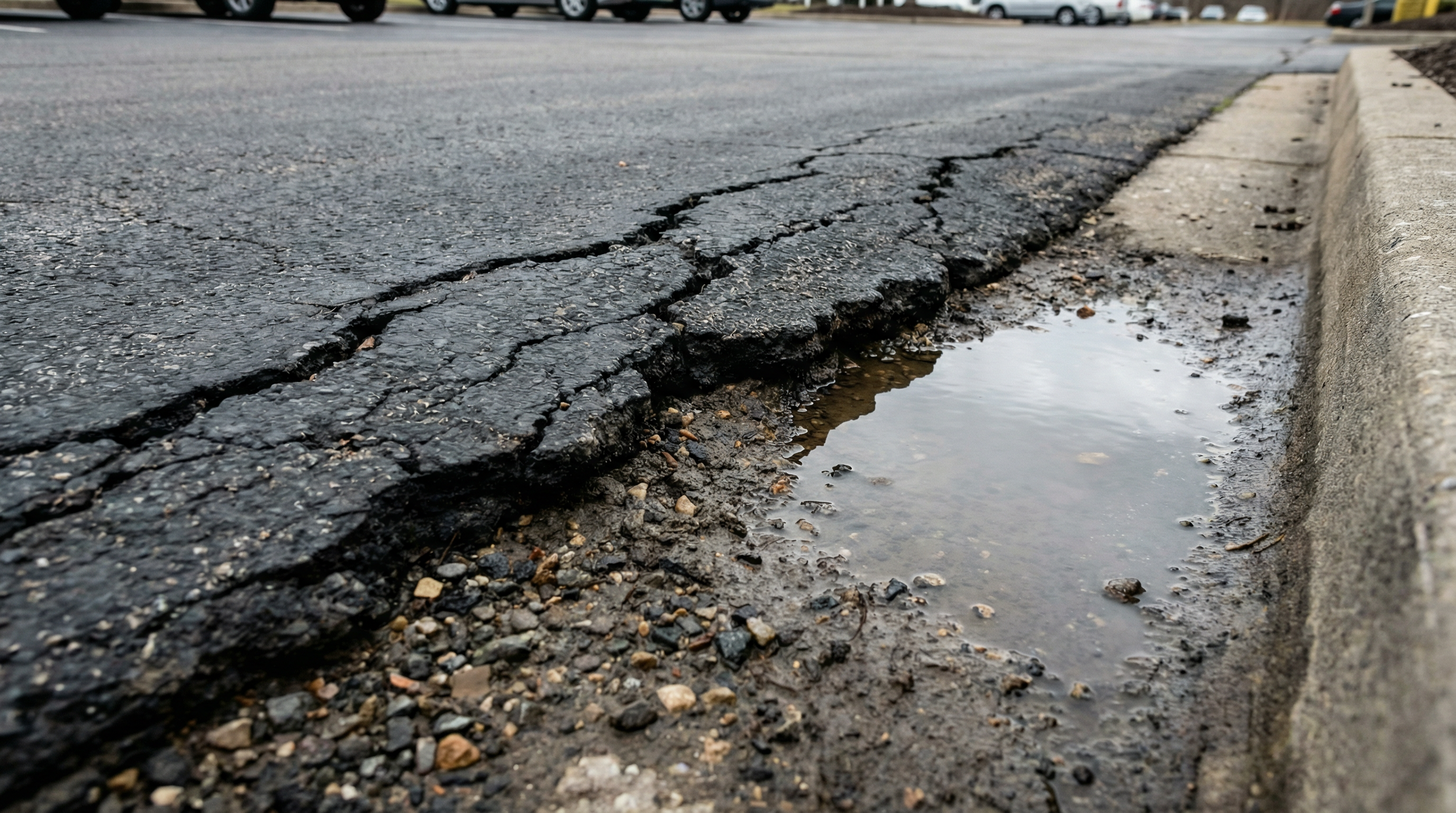
Clearwater’s position along Florida’s Gulf Coast creates unique challenges for commercial property owners dealing with edge cracking in their parking lots. The combination of salt-laden coastal air, intense summer heat reaching 95°F+, and the constant flow of tourism traffic to Clearwater Beach puts extraordinary stress on parking lot edges where asphalt meets landscaping, curbs, or unpaved areas.
Edge cracking occurs when supported pavement meets an unsupported edge, creating a weak point that fails under traffic loads and environmental stress. In Clearwater’s humid subtropical climate, these cracks quickly allow water infiltration, leading to base failure and costly commercial repair needs.
APC Asphalt Paving, led by owner John Wells, has served Pinellas County commercial properties for years, understanding exactly how coastal conditions accelerate edge deterioration and what it takes to create lasting solutions. Our team specializes in addressing the unique challenges facing Clearwater businesses, from beachfront hotels to retail centers along Gulf-to-Bay Boulevard.
This guide explains why edge cracking develops, how Clearwater’s environment makes it worse, and the proven repair techniques that protect your investment for decades to come.
Why Clearwater Commercial Properties Face Severe Edge Cracking
Lack of Lateral Support
The primary cause of pavement edge failures is insufficient lateral support. When asphalt extends to an unsupported edge—whether against landscaping, gravel, or simply ending at a property line—the pavement lacks the confinement needed to distribute traffic loads effectively. Under wheel loads, the unsupported edge deflects more than the interior pavement, creating stress concentrations that develop into cracks.
Coastal Environmental Factors
Clearwater’s coastal salt environment accelerates this process significantly. Salt particles carried inland from the Gulf of Mexico settle on pavement surfaces and work into micro-cracks. Even Florida’s occasional cold snaps create thermal expansion cycles that cause existing cracks to widen. The salt also promotes corrosion of any steel reinforcement in adjacent concrete curbs or structures.
Heavy seasonal tourism traffic compounds the problem. During peak season, commercial parking lots serving Clearwater Beach and downtown experience traffic loads far exceeding their design capacity. Retail centers along Cleveland Street, restaurants near the marina, and hotels throughout the beach corridor see vehicles repeatedly loading the same edge areas as drivers navigate crowded lots.
Thermal Stress Challenges
The region’s intense summer heat creates additional thermal stress. Asphalt temperatures can exceed 140°F on summer afternoons, causing the pavement to expand. Without proper edge support, this expansion creates additional stress at the pavement-to-unpaved interface, accelerating crack development throughout Pinellas County’s commercial districts.
Drainage Issues That Worsen Edge Deterioration
Seasonal Rainfall Impact
Florida’s seasonal rainfall patterns create perfect conditions for edge crack propagation. Clearwater receives over 40 inches of annual rainfall, much of it during intense summer thunderstorms that can drop 2-3 inches in an hour. When edge cracks allow this water to penetrate into the base layer, the results are catastrophic.
Water infiltration through edge cracks saturates the aggregate base material, reducing its load-bearing capacity by 50% or more. In Clearwater’s sandy soils, saturated base material can actually pump up through cracks under traffic loads, creating a mess and further weakening the pavement structure.
Design and Drainage Problems
Poor surface drainage design makes the problem worse. Many older commercial properties in Clearwater were built before current drainage standards, with inadequate slope or drainage outlets that direct water toward pavement edges rather than away from them. Standing water along edges creates hydrostatic pressure that forces water deeper into cracks and accelerates base failure.
The high water table common in coastal Pinellas County means that water infiltrating through edge cracks may not drain away quickly, keeping the base material saturated for extended periods. This is particularly problematic in low-lying areas near Clearwater Harbor where the water table can be within 3-4 feet of the surface.
Professional Edge Crack Repair Techniques
Hot-Pour Crack Sealing
Professional crack sealing represents the most effective treatment for active edge cracks that haven’t yet caused structural failure. This process involves cleaning the crack thoroughly with compressed air, routing if necessary to create proper dimensions, and filling with hot-applied rubberized sealant that remains flexible through Florida’s temperature cycles.
The key to successful edge crack sealing in Clearwater’s climate is using high-quality rubberized sealant specifically formulated for hot, humid conditions. Standard crack sealants can become brittle under intense UV exposure or too soft during summer heat, leading to tracking or adhesion failure.
Edge Reconstruction Methods
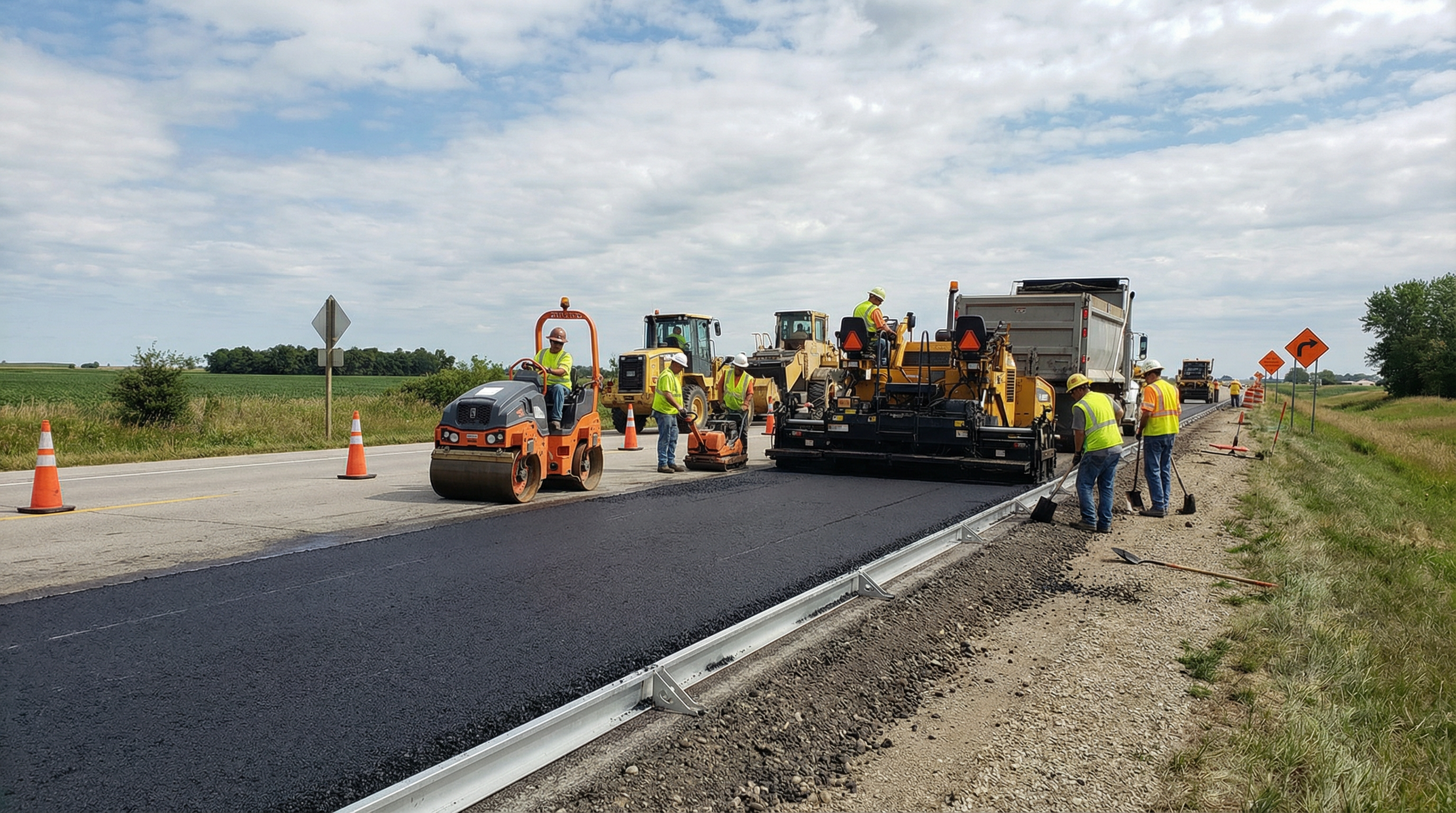
Edge reconstruction becomes necessary when cracks have allowed significant base failure or when the edge has begun to break away. This involves sawcutting the damaged area back to sound pavement (typically 12-18 inches from the edge), excavating failed base material, and rebuilding with proper base preparation and edge support.
For commercial properties requiring permanent edge support, installing concrete curbing or edge restraint systems provides the lateral confinement needed to prevent future cracking. This is particularly important for high-traffic areas like shopping centers along US Highway 19 or properties serving the busy Brandon Town Center corridor.
Structural Repair Solutions
Full-depth patching may be required where edge cracking has progressed to structural failure. This involves complete removal of failed asphalt and base material, proper subgrade preparation, installation of new aggregate base, and placement of hot mix asphalt with proper compaction. The key is extending the repair well beyond the visible damage to reach structurally sound material.
Materials and Quality Standards for Coastal Applications
Specialized Materials for Coastal Conditions
Clearwater’s coastal environment demands specific material considerations for lasting edge repairs. Standard asphalt mixes may not provide adequate durability against salt exposure and thermal cycling.Polymer-modified asphalt offers superior flexibility and resistance to cracking, making it ideal for edge applications where stress concentrations are highest.
Proper aggregate base selection is critical for edge stability. In Clearwater’s sandy soils, using well-graded aggregate base with adequate fines content provides the stability needed to support edge loads. The base must be compacted to at least 95% of maximum density to prevent settlement and maintain edge support.
Quality Control Standards
Tack coat application at all interfaces ensures proper bonding between new and existing materials. This is particularly important in humid conditions where moisture can interfere with adhesion. Using polymer-modified tack coat provides enhanced bonding strength and flexibility.
Quality control during placement includes proper compaction techniques that achieve adequate density without over-compacting. Temperature monitoring ensures hot mix asphalt is placed within the proper temperature range for optimal compaction and long-term performance.
Edge sealing after repair completion prevents water infiltration at the repair interface. This final step is critical for long-term success, especially in Florida’s wet climate where any opening will eventually allow water penetration.
Long-term Maintenance for Clearwater Commercial Properties
Preventive Maintenance Programs
Preventive maintenance is far more cost-effective than reactive repairs for commercial properties in Clearwater’s challenging environment. Annual inspections should focus on edge conditions, looking for early signs of cracking, settlement, or drainage problems before they become major issues.
Regular crack sealing programs should be implemented every 2-3 years, addressing new cracks before they allow water infiltration. In Clearwater’s climate, small cracks can become major problems within a single rainy season if left untreated.
Ongoing Care Strategies
Drainage maintenance includes keeping inlets clear, ensuring proper surface slopes are maintained, and addressing any areas where water ponds along pavement edges. This is particularly important for properties in low-lying areas or those affected by tidal influences near the coast.
Sealcoating every 3-4 years provides UV protection and helps seal minor surface cracks before they develop into edge problems. For commercial properties with high traffic volumes, this interval may need to be shortened to maintain appearance and protection.
Regular edge inspection and maintenance should include checking for vegetation growth along edges, ensuring proper drainage away from edges, and addressing any settlement or erosion that reduces edge support.
Edge cracking may seem like a minor issue, but in Clearwater’s coastal environment, it quickly becomes a major problem that threatens your entire pavement investment. The combination of salt exposure, intense heat, heavy tourism traffic, and seasonal rainfall creates the perfect storm for rapid edge deterioration.
APC Asphalt Paving understands these unique challenges facing Pinellas County commercial properties. Our experience serving Clearwater, Brandon, and throughout the Tampa Bay region has taught us exactly what materials and techniques provide lasting results in Florida’s demanding climate. We use professional-grade equipment and materials specifically chosen for coastal applications, ensuring your edge repairs stand up to whatever Mother Nature delivers.
From the busy retail corridors of Westshore Plaza to the hospitality properties near Clearwater Beach, we’ve helped countless commercial property owners protect their pavement investments with proven edge crack solutions.
Don’t let edge cracking compromise your commercial property’s safety, appearance, or value. Contact APC Asphalt Paving today for a comprehensive evaluation of your parking lot edges and a detailed repair proposal. We serve commercial properties throughout Clearwater, Brandon, and the greater Tampa Bay area with the expertise and quality you can trust.
Call APC Asphalt Paving at (𝟴𝟬𝟬) 𝟳𝟳𝟵-𝟬𝟳𝟲𝟳 for your free commercial pavement assessment and discover why Clearwater businesses choose us for lasting edge crack solutions.
