How Florida’s Heat Affects Your Asphalt: Sealcoating Solutions for Ocala Businesses
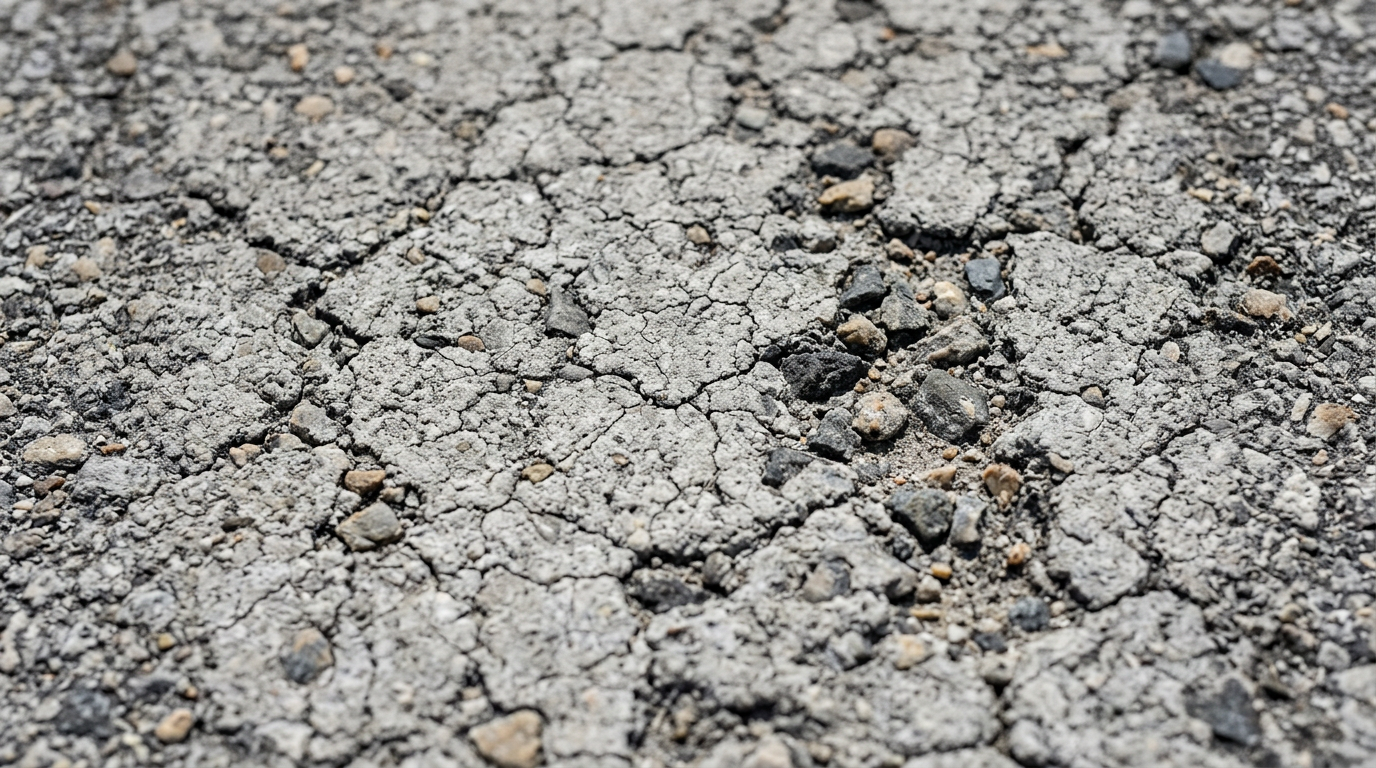
Florida’s relentless sunshine and year-round heat create unique challenges for asphalt pavements throughout Marion County. In Ocala, where temperatures regularly soar above 90°F and UV radiation is among the nation’s highest, unprotected asphalt surfaces face accelerated deterioration that can cut pavement life in half. Understanding how Florida’s climate affects your asphalt—and implementing proper sealcoating strategies—is essential for protecting your commercial property investment and maintaining the professional appearance that attracts customers to your business.
At APC Asphalt Paving, owner John Wells and our team have specialized in protecting Central Florida pavements for years, serving the unique needs of Ocala’s thriving equestrian industry, growing retirement communities, and bustling I-75 corridor businesses. Our expertise in Florida’s challenging climate conditions helps property owners from Ocala to Williston and Morriston maximize their pavement investment through strategic preventative maintenance.
Understanding UV Damage and Asphalt Oxidation in Florida’s Climate
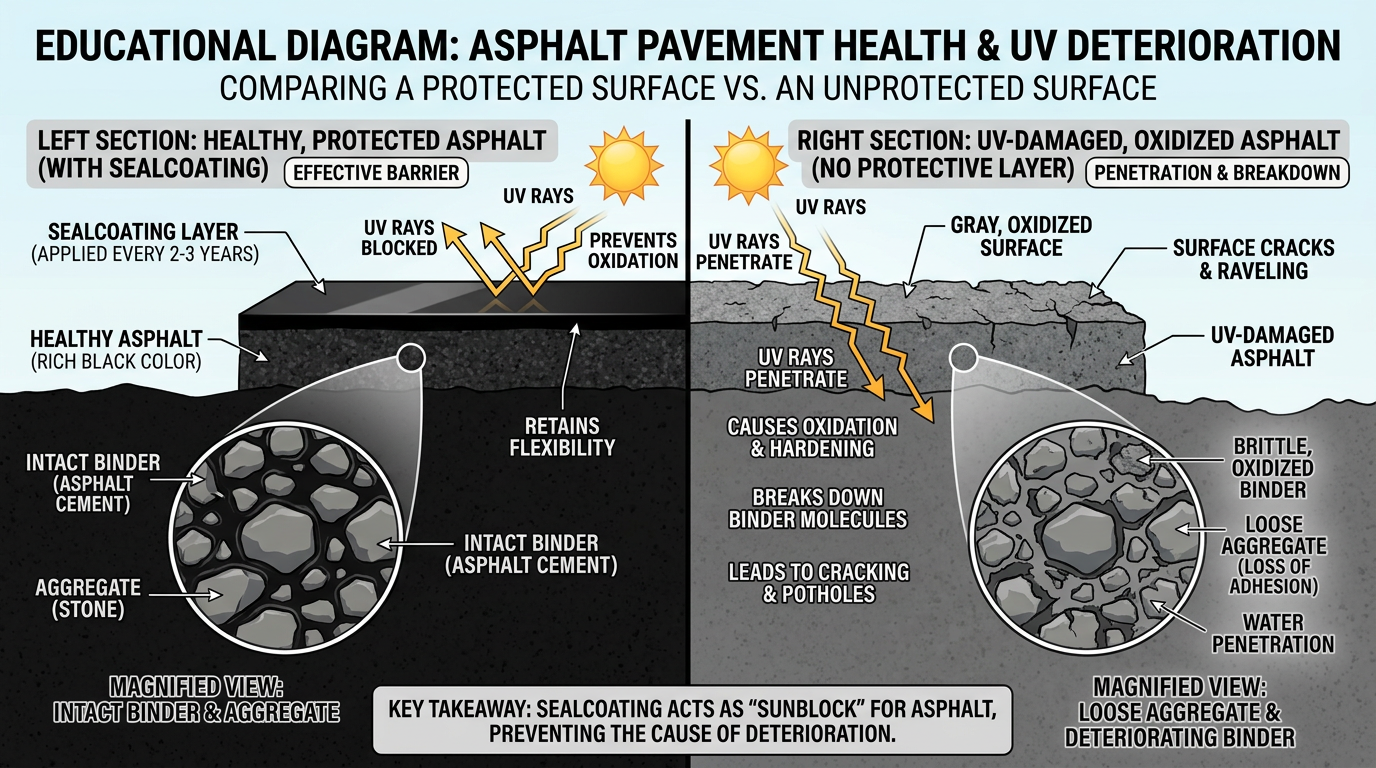
Florida’s intense ultraviolet radiation creates a perfect storm for asphalt deterioration. UV protection becomes critical when asphalt binder is continuously exposed to solar radiation that breaks down the chemical bonds holding your pavement together.
The science behind this process involves the asphalt binder’s molecular structure. Fresh asphalt contains a balanced mixture of oils, resins, and asphaltenes that provide flexibility and durability. However, Florida’s year-round sun exposure causes asphalt oxidation—a chemical process where UV rays and oxygen convert the lighter oil molecules into heavier, more brittle compounds. This transformation makes the binder increasingly stiff and prone to cracking.
In Ocala’s humid subtropical climate, this oxidation process accelerates dramatically. While northern climates might see gradual graying over several years, Florida pavements can show visible oxidation within 12-18 months without proper protection. The limestone subgrade common throughout Marion County compounds this challenge, as the light-colored base reflects additional heat back into the asphalt surface—a phenomenon we see regularly at horse farms throughout the “Horse Capital of the World.”
Surface sealing through professional sealcoating creates a sacrificial barrier that absorbs UV radiation before it reaches the underlying pavement. This protective layer essentially takes the punishment from Florida’s sun, preserving the structural integrity of your asphalt investment. For Ocala businesses—from equestrian facilities requiring pristine access roads to retail centers maintaining customer appeal—this protection translates directly into extended pavement life and reduced replacement costs.
Why Ocala’s Climate Demands Specialized Pavement Protection
Central Florida’s weather patterns create a unique combination of stressors that make pavement preservation more challenging than in moderate climates. Ocala experiences not only intense heat and UV exposure but also dramatic seasonal rainfall that can exceed 50 inches annually, primarily concentrated in summer months when afternoon thunderstorms are a daily occurrence.
This wet-dry cycle proves particularly damaging to unprotected asphalt. During Florida’s dry periods, oxidized pavement becomes brittle and develops surface cracks. When the rainy season arrives—typically May through October in Marion County—water infiltrates these cracks, accelerating deterioration from within. The combination of high temperatures and moisture creates ideal conditions for pavement failure: raveling, pothole formation, and structural breakdown.
Marion County’s position in the I-75 corridor brings additional challenges. Heavy truck traffic serving Florida’s agricultural and tourism industries places significant stress on commercial paving surfaces already weakened by UV exposure. Equestrian facilities around Ocala face unique demands from horse trailers and specialized equipment that require smooth, stable surfaces year-round—something we understand well given our specialization in horse facility paving.
The region’s limestone geology also affects pavement performance. While limestone provides excellent drainage, it can shift slightly during Florida’s wet seasons, placing additional stress on pavement surfaces. Regular asphalt sealing helps maintain surface flexibility, allowing the pavement to accommodate minor movements without cracking.
For businesses in the smaller communities of Williston and Morriston in rural Levy County, the extended distance from asphalt plants makes preventative maintenance even more cost-effective than emergency repairs. A properly maintained sealcoated surface can extend pavement life by 5-7 years, delaying expensive reconstruction projects that require materials to be hauled from Ocala or beyond.
The Sealcoating Process: Technical Solutions for Florida Conditions
Professional sealcoating involves more than simply applying a protective coating—it requires understanding Florida’s specific climate challenges and timing applications for optimal performance. The process begins with thorough surface preparation, which proves critical in Florida’s environment where organic growth, oil stains, and embedded debris can prevent proper adhesion.
Modern asphalt emulsion-based sealers provide excellent UV protection while remaining environmentally responsible. These materials create a flexible barrier that moves with the pavement during temperature fluctuations, preventing the cracking that can occur with rigid coatings. In Ocala’s climate, where pavement temperatures can exceed 140°F on summer afternoons, this flexibility becomes essential for long-term performance.
Application timing requires careful consideration of Florida’s weather patterns. The ideal window occurs during dry periods when temperatures remain between 50-90°F with no rain expected for 24-48 hours. In Central Florida, this typically means spring through early fall applications, avoiding both the intense summer heat that can cause rapid curing problems and the unpredictable afternoon thunderstorms that characterize our wet season.
The curing process in Florida’s humid conditions requires special attention. High humidity can slow solvent evaporation, extending the time before traffic can safely return to the surface. Professional contractors understand these variables and plan accordingly, ensuring proper cure times that prevent tracking and premature wear—particularly important for businesses that can’t afford extended closures.
For commercial maintenance applications, two-coat systems often provide superior protection in Florida’s harsh environment. The first coat penetrates surface voids and provides base protection, while the second coat creates a uniform, weather-resistant surface that maintains appearance and performance over time.
Material Selection and Quality Standards for Florida Applications
Choosing appropriate sealcoating materials for Florida conditions requires understanding how different formulations perform under extreme heat and UV exposure. Asphalt emulsion-based sealers have largely replaced coal tar products due to environmental considerations and improved performance characteristics in hot climates like ours.
Quality sealers designed for Florida conditions incorporate UV-resistant additives and polymers that maintain flexibility at high temperatures. These materials resist the brittleness that can develop when standard sealers are exposed to prolonged heat and sunlight. The application rate typically ranges from 0.10-0.15 gallons per square yard, with commercial applications often requiring higher coverage rates for optimal protection.
Aggregate additives improve traction and durability, particularly important for commercial applications where vehicle traffic continues during Florida’s year-round construction season. Sand or other fine aggregates broadcast into the wet sealer create a textured surface that provides better grip for vehicles while adding wear resistance—especially valuable for horse facilities where trailer safety is paramount.
Professional contractors source materials from suppliers who understand Florida’s climate challenges and can provide technical support for optimal application procedures. Quality control measures include temperature monitoring, proper mixing procedures, and application rate verification to ensure consistent results across the entire project.
At APC Asphalt Paving, we maintain relationships with proven suppliers who provide materials specifically formulated for Central Florida conditions. Our experience with Marion County’s unique challenges—from the limestone subgrade to the equestrian industry’s specialized requirements—ensures we select the right materials for each application, whether it’s a horse farm in Ocala or a small commercial property in Williston.
Maintenance Scheduling and Long-Term Performance in Central Florida
Developing an effective maintenance schedule for Florida conditions requires balancing protection needs with practical application windows. The standard recommendation of sealcoating every 2-3 years may need adjustment in Florida’s intense climate, where UV exposure and heat can accelerate wear patterns.
New asphalt installations should cure for 6-12 months before initial sealcoating, allowing volatiles to escape and the pavement to stabilize. In Florida’s heat, this curing process occurs more rapidly than in northern climates, but rushing the first application can trap volatiles and create adhesion problems that compromise long-term performance.
Subsequent applications should be scheduled based on visual inspection and performance indicators rather than rigid time intervals. Signs that sealcoating renewal is needed include surface graying, minor crack development, and loss of water-shedding characteristics. In Ocala’s climate, these indicators may appear within 18-24 months on heavily trafficked surfaces, particularly those exposed to the intense UV radiation common in our area.
Preventative maintenance programs that combine crack sealing, minor patching, and regular sealcoating provide the best long-term value for Florida property owners. This approach addresses problems before they become major failures, extending overall pavement life and maintaining property appearance—crucial for businesses competing in Ocala’s growing market or maintaining the professional standards expected in equestrian facilities.
For businesses throughout our service area—from Ocala’s horse farms to commercial properties in the smaller communities of Williston and Morriston—a proactive maintenance approach protects the significant investment in quality pavement while ensuring safe, attractive surfaces that support business operations year-round.
Florida’s challenging climate doesn’t have to mean premature pavement failure and costly replacements. Understanding how heat and UV radiation affect asphalt, combined with professional sealcoating applications timed for optimal performance, can extend your pavement life significantly while maintaining the professional appearance your business deserves.
APC Asphalt Paving brings specialized expertise in Central Florida pavement protection to businesses throughout Ocala, Williston, Morriston, and surrounding Marion and Levy County communities. John Wells and our team’s understanding of local climate challenges—from the intense UV exposure to the seasonal rainfall patterns—combined with proven materials and application techniques, ensures your sealcoating investment delivers maximum protection and value.
Whether you’re managing a horse facility that demands pristine surfaces, operating a retail business along the I-75 corridor, or maintaining commercial property in one of our smaller rural communities, professional sealcoating represents one of the most cost-effective ways to protect your asphalt investment against Florida’s harsh conditions.
Don’t let Florida’s sun destroy your pavement investment. Contact APC Asphalt Paving today at (𝟴𝟬𝟬) 𝟳𝟳𝟵-𝟬𝟳𝟲𝟳 or visit https://apcasphaltpaving.com for a free evaluation of your property’s sealcoating needs. Learn how professional pavement preservation can protect your business for years to come and discover why Central Florida businesses from Ocala to Williston trust us for reliable, long-lasting asphalt protection that stands up to our unique climate challenges.
