Steep Driveway Solutions: Grading and Paving for Florida’s Rolling Hills
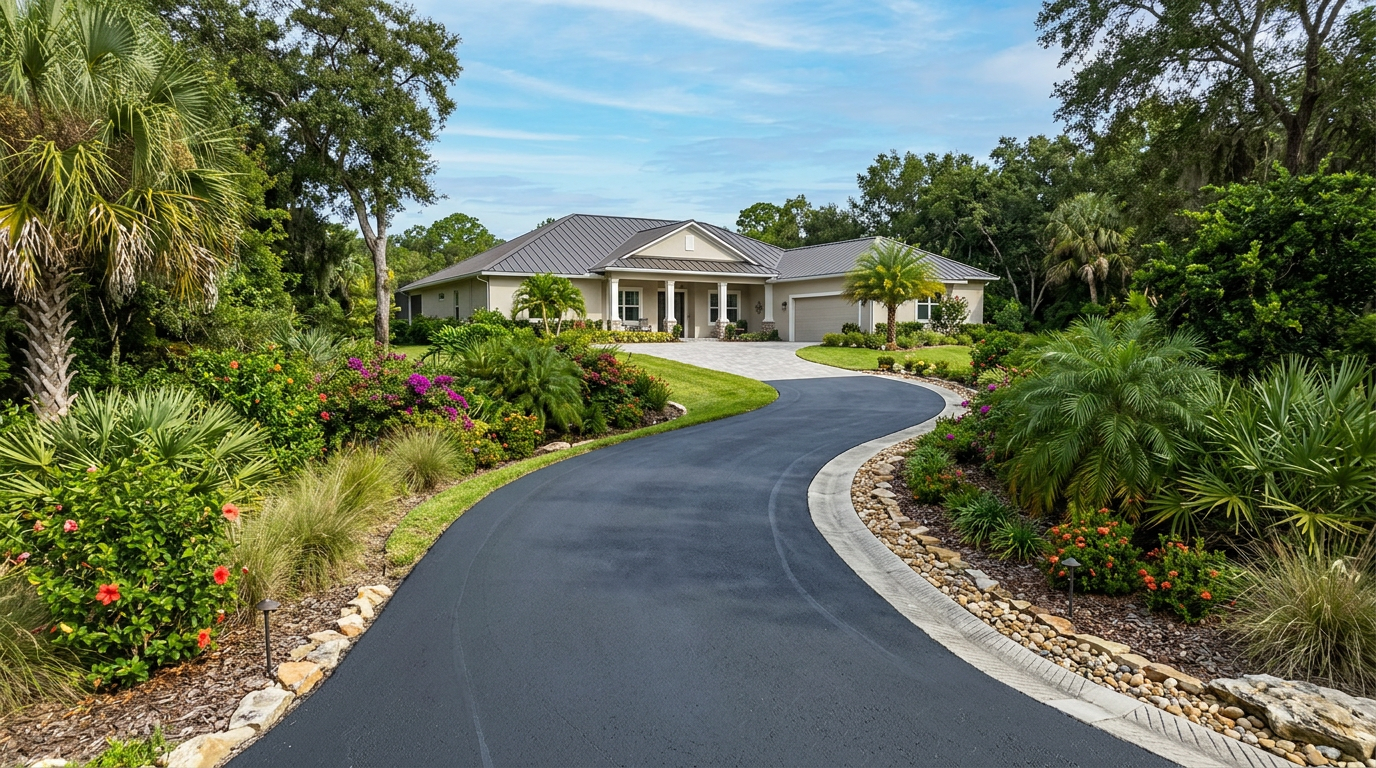
Florida’s central highlands present unique challenges for driveway construction, particularly in Arcadia’s cattle country and Avon Park’s historic citrus groves. While many assume Florida is completely flat, areas like DeSoto and Highlands counties feature rolling terrain that requires specialized steep driveway expertise. APC Asphalt Paving, led by owner John Wells, has spent years mastering driveway grading and slope solutions across Central Florida’s varied topography, helping property owners navigate maximum grade requirements, water runoff management, and traction considerations specific to our humid subtropical climate.
Whether you’re dealing with a sloped approach to your Arcadia ranch house or managing drainage on an Avon Park hillside property, understanding proper grading techniques and slope limitations is essential for creating a driveway that performs reliably through Florida’s intense summer rains and seasonal weather patterns.
Understanding Maximum Slope Requirements for Florida Driveways
Steep driveway construction begins with understanding safe grade limitations and local building requirements. For residential driveways in Florida, the maximum recommended slope is typically 15% (approximately 8.5 degrees), though many municipalities prefer keeping grades under 12% for safety and accessibility reasons.
The engineering principle behind these limitations is straightforward: steeper slopes create challenges for vehicle traction, especially during Florida’s frequent afternoon thunderstorms when surfaces become slick. In Arcadia’s agricultural areas, where pickup trucks and equipment trailers are common, maintaining proper slope angles becomes even more critical. A steep driveway that exceeds safe grades can make it difficult for loaded vehicles to safely navigate, particularly when backing out during DeSoto County’s unpredictable weather patterns.
Proper driveway grading involves more than simply following the natural contours of your property. Professional contractors use surveying equipment to establish precise grade control, ensuring the driveway maintains consistent slope without creating dangerous dips or peaks. The process typically involves cut-and-fill operations, where soil is excavated from high points and used to build up low areas, creating a smooth transition from street level to your home.
For properties in Avon Park’s rolling citrus country, where natural drainage patterns have been established over decades, working with existing topography while meeting slope requirements requires careful planning. The goal is achieving the gentlest possible grade while maintaining positive drainage away from structures and preventing water accumulation that could damage your investment.
Why Central Florida’s Climate Demands Special Slope Considerations
Florida’s humid subtropical climate creates unique challenges for steep driveway construction that don’t exist in drier regions. Our intense seasonal rainfall—often delivering several inches in a single afternoon storm—means that any sloped surface must be designed to handle significant water flow without erosion or surface damage.
In Arcadia’s cattle country, where properties often feature longer driveways serving agricultural operations, managing water runoff becomes particularly complex. The combination of steep grades and heavy rainfall can create erosion channels that undermine pavement edges and wash away base materials. This is why proper drainage design is essential from the initial driveway grading phase.
The heat and humidity also affect asphalt performance on sloped surfaces. During summer months when pavement temperatures can exceed 140°F, steep driveways experience additional stress from thermal expansion and the tendency for vehicles to apply more braking force when descending grades. This thermal cycling, combined with Florida’s occasional winter cold snaps, requires careful attention to material selection and thickness specifications.
APC Asphalt Paving addresses these climate-specific challenges by incorporating proper base preparation, adequate pavement thickness (typically 3 inches minimum for sloped residential driveways), and strategic drainage features that work with Central Florida’s weather patterns rather than against them. Our experience with Highlands County’s rolling terrain and DeSoto County’s agricultural demands ensures your slope solutions perform reliably year-round.
Professional Grading Process and Drainage Integration
The driveway grading process for steep applications requires precision equipment operation and thorough understanding of drainage principles. Professional grading begins with establishing proper survey control points and creating a detailed grade plan that accounts for both vehicle access requirements and water management needs.
Heavy equipment operation for slope work typically involves excavators for precise cut work, bulldozers for moving larger volumes of material, and motor graders for achieving final grade specifications. In the rolling terrain around Sebring and Lake Placid, where many Avon Park residents commute for work, contractors must balance cut-and-fill operations to minimize material hauling costs while achieving optimal grades.
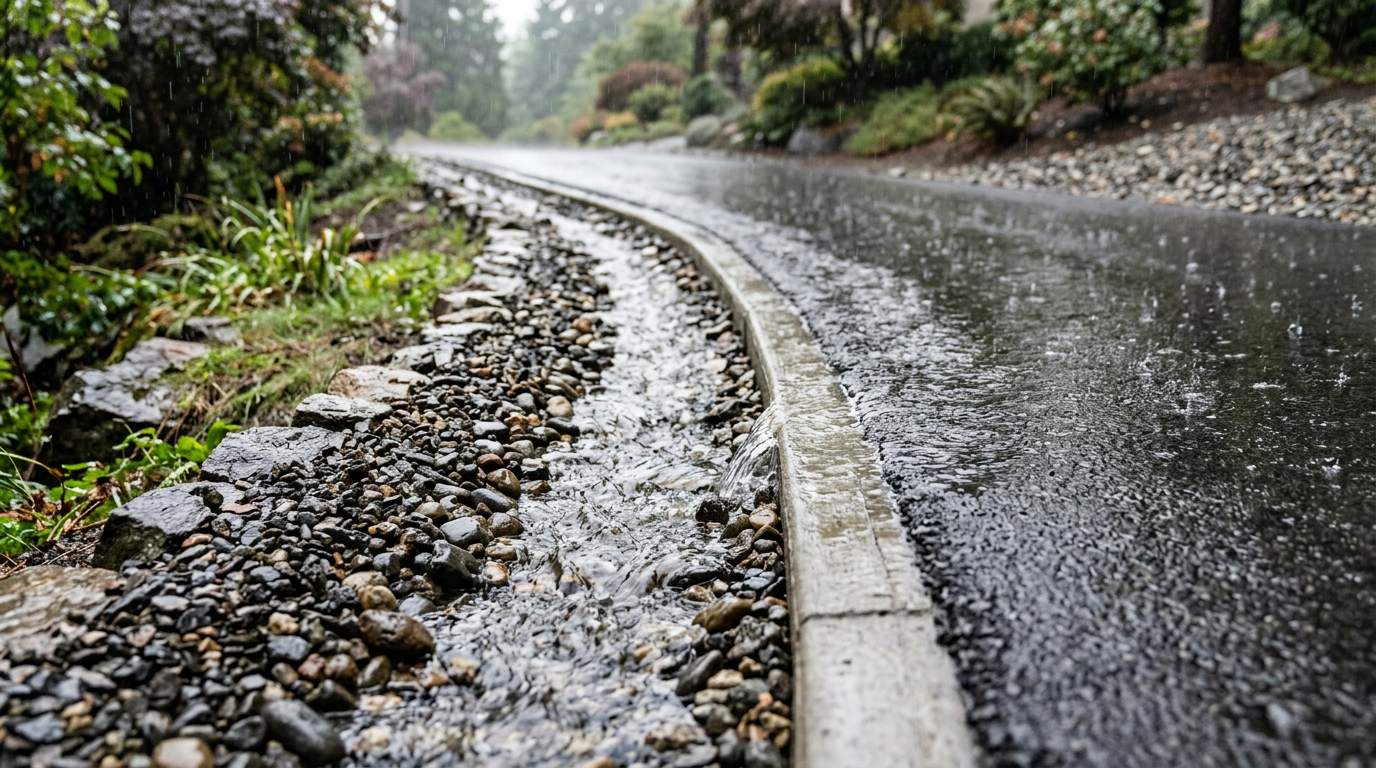
Drainage integration is where technical expertise becomes crucial for slope solutions. Proper design incorporates multiple drainage strategies: surface drainage through crowned pavement sections, subsurface drainage via edge drains where necessary, and strategic placement of drainage structures to intercept runoff before it gains erosive velocity.
The compaction process for sloped base materials requires special attention, as achieving proper density on grades can be challenging. Base materials must be placed in lifts and compacted to 95% Standard Proctor density, with particular care taken to prevent segregation of materials on steep driveways. This typically involves working from the bottom of the slope upward and using appropriate compaction equipment sized for the grade conditions.
For Arcadia’s agricultural properties, where heavy equipment and loaded trucks regularly use driveways, base thickness often increases to 8 inches or more, placed in multiple compacted lifts to ensure long-term stability under both the steep grade conditions and heavy loading typical of cattle operations.
Materials and Construction Standards for Slope Applications
Quality material selection for steep driveway applications goes beyond standard residential specifications. The asphalt mix design must account for the additional stresses created by vehicles accelerating and braking on grades, while base materials need enhanced stability characteristics to prevent shifting under load.
For sloped applications in Central Florida, dense-graded aggregate base materials typically perform better than open-graded alternatives, as they provide superior stability while still allowing adequate drainage. The gradation must be carefully controlled to prevent segregation during placement on slopes, with particular attention to maintaining proper fines content for binding.
Asphalt thickness specifications for steep driveways typically start at 3 inches minimum, with 4-inch thickness recommended for grades exceeding 10% or where heavy vehicles are expected. The additional thickness provides better resistance to the shearing forces created by vehicles navigating slopes and helps distribute loads more effectively to the base layer.
Industry standards provide guidance for slope construction, but local adaptation is essential for Florida conditions. Our unique climate means that material specifications must account for high-temperature performance, moisture resistance, and the thermal cycling that occurs throughout our extended warm season in both DeSoto and Highlands counties.
Temperature control during asphalt placement becomes more critical on sloped surfaces, as the material tends to cool more quickly on exposed grades. Maintaining proper compaction temperatures requires careful coordination between delivery, placement, and compaction operations—expertise that APC Asphalt Paving has refined through years of slope solutions work across Central Florida.
Long-term Performance and Maintenance Strategies
Maintenance planning for steep driveways must address the accelerated wear patterns that occur on sloped surfaces. Vehicle traffic naturally creates more stress on grades, particularly at transition points where the slope changes or meets level areas. These stress concentrations require proactive maintenance to prevent minor issues from developing into major structural problems.
In Florida’s climate, sealcoating applications on sloped driveways require special timing and technique considerations. The material must be applied during optimal weather conditions—typically spring through early fall when temperatures are moderate and rainfall patterns are predictable in the Arcadia and Avon Park areas. Proper surface preparation becomes even more critical on slopes, as any contamination or poor adhesion can lead to coating failure during heavy rain events.
Water management remains the key to long-term performance of slope solutions. Regular inspection and maintenance of drainage features—including cleaning debris from inlets, maintaining proper grades in adjacent landscaped areas, and ensuring that runoff patterns haven’t changed due to settling or erosion—prevents the water infiltration that causes most pavement failures.
For properties in Arcadia’s agricultural areas, where driveways serve both residential and light commercial purposes, establishing a preventive maintenance schedule helps maximize pavement life. This typically includes annual inspections, crack sealing as needed, and sealcoating every 2-3 years depending on traffic levels and exposure conditions typical of cattle country operations.
Creating durable, safe driveways on Central Florida’s rolling terrain requires combining technical expertise with local climate knowledge and proper construction practices. From initial site evaluation through final surface application, every step must account for the unique challenges presented by steep grades in our humid subtropical environment.
APC Asphalt Paving brings decades of experience in driveway grading and slope solutions to properties throughout DeSoto and Highlands counties. Owner John Wells and our experienced team understand the specific challenges of Arcadia’s cattle operations and Avon Park’s citrus grove properties. Our comprehensive approach addresses maximum grade requirements, incorporates proven water management strategies, and uses quality materials specified for Florida’s demanding climate conditions.
Whether you’re planning a new steep driveway for your Arcadia ranch property or need to address drainage issues on an existing sloped drive in Avon Park’s rolling hills, professional evaluation and proper construction techniques ensure reliable performance for decades to come.
Ready to solve your steep driveway challenges? Contact APC Asphalt Paving today for a free consultation and detailed assessment of your slope project needs. Call us or visit our website at apcasphaltpaving.com to schedule your evaluation and discover why property owners throughout Central Florida trust us for their most challenging driveway grading and slope solutions projects.
