When to Seal vs. When to Patch: A Repair Guide for Arcadia Property Owners
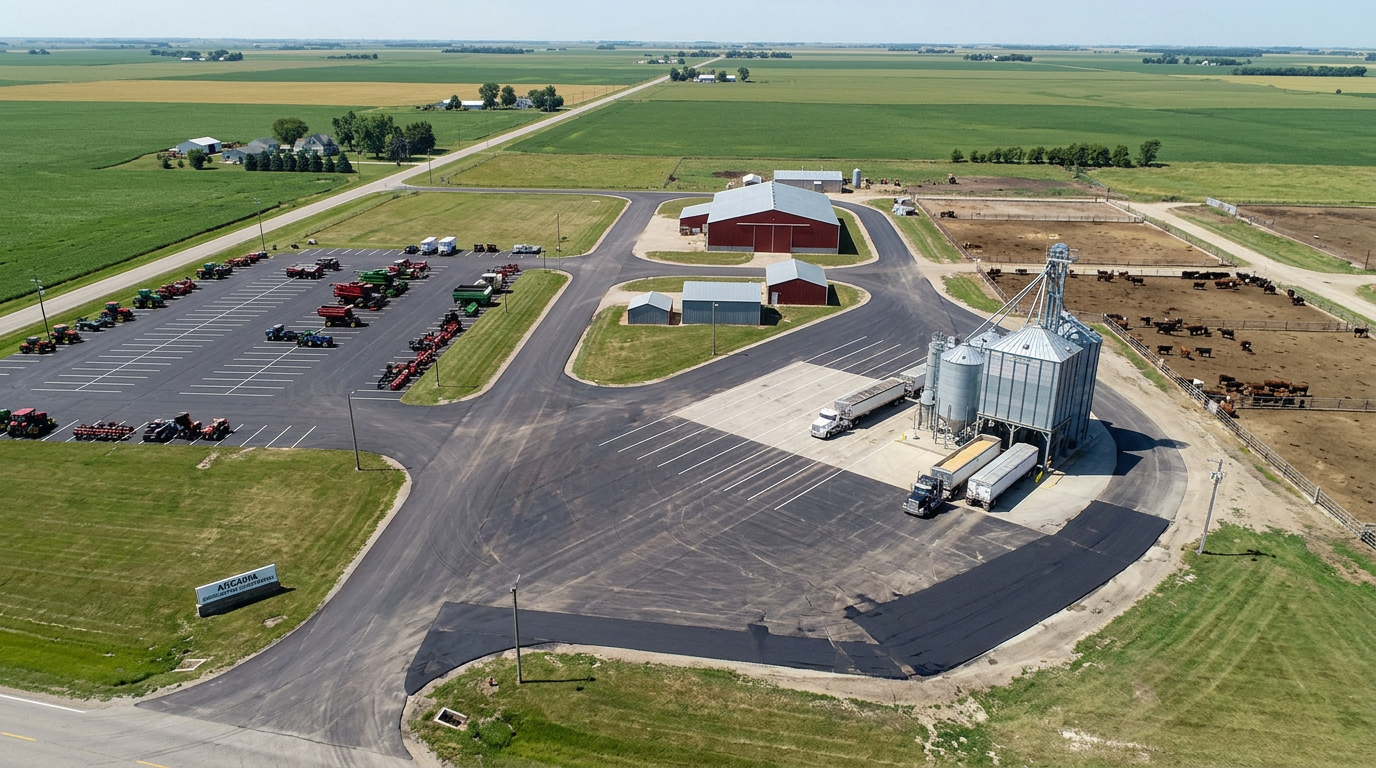
Not all cracks are created equal, and the repair methods you choose must match the underlying cause of the damage. In Arcadia’s agricultural setting, we see distinct crack patterns that require different approaches.
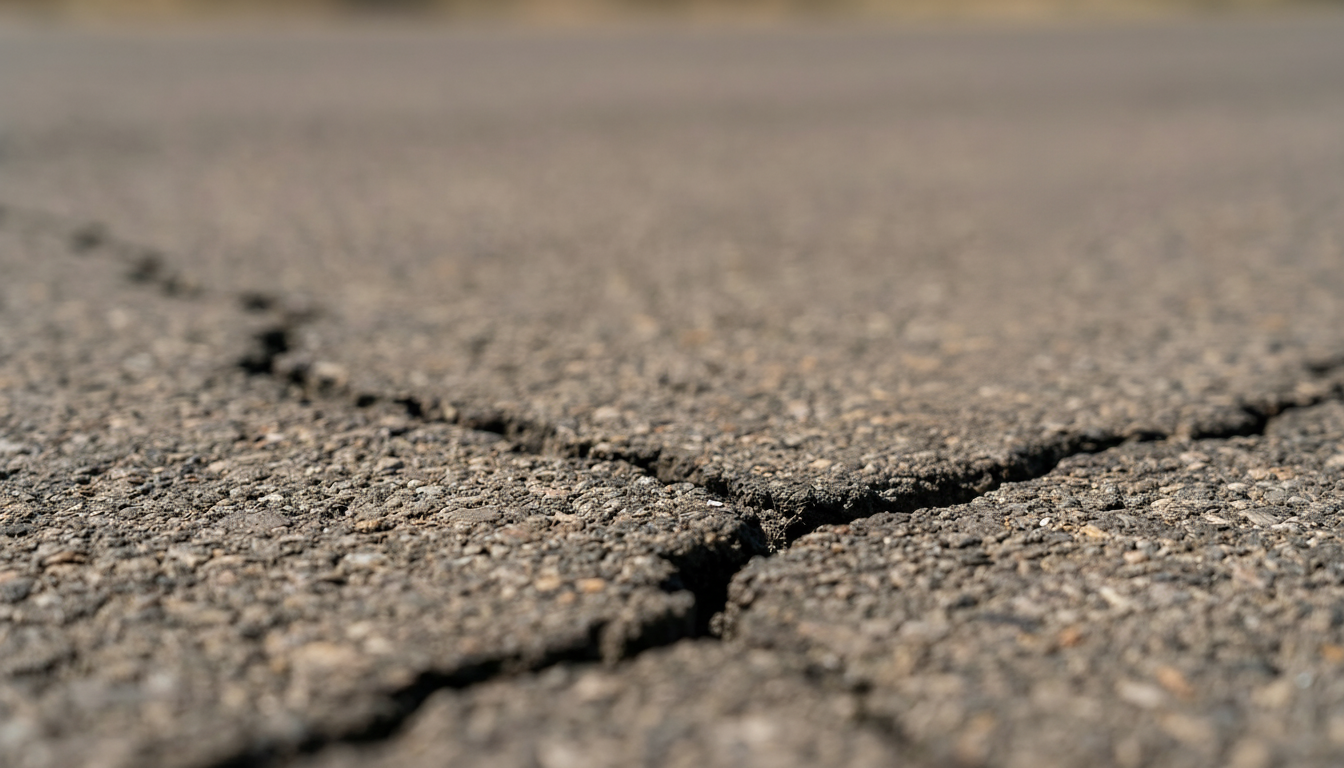
Non-structural cracks typically appear as thin, hairline fractures less than 1/4 inch wide. These develop from surface aging, minor temperature cycling, or light traffic wear. The pavement structure beneath remains sound—you’re dealing with surface-level distress that crack sealing can effectively address. These cracks respond well to hot-pour rubberized sealant application, which prevents water infiltration while maintaining pavement flexibility during Florida’s temperature swings.
Structural cracks indicate deeper problems within the pavement foundation. You’ll recognize these as wider cracks (over 1/2 inch), cracks with edge raveling, or those accompanied by settlement or heaving. When cattle trucks repeatedly load the same areas—common around feed storage facilities or auction barns near Arcadia’s historic downtown—the pavement structure can fail from the bottom up. These situations require full-depth patching to address the root cause.
Alligator cracking deserves special mention because it’s frequently misdiagnosed. This interconnected crack pattern resembles reptile skin and indicates structural failure of the asphalt layer. Attempting to seal alligator cracks is futile—the underlying structure has failed and requires complete removal and replacement. We see this pattern frequently in Arcadia’s agricultural facilities where heavy equipment creates repeated loading cycles, particularly around the cattle auction facilities that serve the region’s ranching community.
The key crack repair decision factor is determining whether water infiltration or structural failure is your primary concern. Surface cracks need sealing to prevent water damage; structural cracks need patching to restore load-bearing capacity.
Width Thresholds: The Critical Decision Point
The width of a crack provides the clearest guidance for choosing between sealing and patching, but local conditions in DeSoto County add important considerations to standard industry guidelines.
Cracks under 1/4 inch wide are prime candidates for crack sealing. Clean these thoroughly with compressed air (minimum 90 PSI), then apply hot-pour rubberized sealant heated to 350-400°F. In Arcadia’s humid climate, ensure cracks are completely dry before sealing—moisture prevents proper adhesion and leads to premature failure. These narrow cracks typically result from normal aging and thermal cycling rather than structural problems.
Cracks between 1/4 and 1/2 inch fall into a judgment zone where local traffic patterns matter significantly. For residential driveways or light commercial areas along Oak Street or Hickory Street, routing and sealing often provides excellent long-term performance. However, for agricultural facilities handling cattle trucks or heavy equipment—common throughout DeSoto County’s ranch operations—consider the loading frequency. High-traffic agricultural areas may benefit from patching even moderately-sized cracks to prevent rapid deterioration under repeated heavy loads.
Cracks over 1/2 inch wide generally require patching, especially when accompanied by edge deterioration or base failure signs. These wider cracks allow significant water infiltration that can quickly undermine the pavement structure. In Florida’s rainy season—which brings 25+ inches of rainfall between June and September to the Arcadia area—water infiltration becomes particularly destructive.
The seal vs patch decision also depends on crack depth. Surface-level cracks respond well to sealing, while full-depth cracks that extend through the entire asphalt layer require patching to restore structural integrity. Use a thin probe or wire to gauge crack depth during your assessment.
Climate Considerations for Central Florida Repairs
Arcadia’s humid subtropical climate creates specific conditions that influence repair method selection and timing. Understanding these factors helps ensure your repairs perform well in our challenging environment.
Temperature extremes affect both crack development and repair performance. Summer pavement temperatures can exceed 140°F, causing asphalt to soften and become susceptible to deformation. Conversely, winter temperatures occasionally drop into the 30s, making asphalt brittle and prone to thermal cracking. Choose repair methods that accommodate this temperature range—hot-pour crack sealants remain flexible across temperature extremes, while rigid repair materials may fail.
Seasonal rainfall patterns significantly impact repair timing and material selection. Florida’s wet season brings intense afternoon thunderstorms that can dump several inches of rain in short periods across DeSoto County. Schedule crack sealing during dry periods with at least 24 hours of clear weather forecasted. Moisture in cracks prevents sealant adhesion and leads to premature failure.
High humidity levels year-round mean cracks may retain moisture even during apparently dry conditions. Allow extra drying time or use heat lances to ensure complete moisture removal before sealing. This extra preparation step is crucial for long-term repair success in our climate.
Agricultural traffic considerations add another layer of complexity. Cattle trucks, feed delivery vehicles, and farm equipment create unique loading patterns that standard residential or commercial guidelines don’t address. Heavy axle loads concentrated in specific areas—like feed storage access points at ranches throughout the Peace River valley—may require patching even for cracks that would normally be sealed in other applications.
The combination of heat, moisture, and heavy agricultural traffic makes proper repair methods selection critical for long-term performance in the Arcadia area.
Professional Assessment and Long-term Performance
Making the right crack repair decision requires systematic evaluation that goes beyond simple visual inspection. Professional assessment considers multiple factors that affect long-term repair performance in DeSoto County’s unique environment.
Load analysis examines the traffic patterns and weight distributions your pavement experiences. Agricultural facilities often have concentrated loading areas where cattle trucks turn, back up, or park for extended periods. These areas experience different stress patterns than typical parking lots or roadways, influencing whether sealing or patching provides better long-term value.
Drainage evaluation is particularly important in Florida’s high-rainfall environment. Cracks that allow water to reach the base or subgrade can cause rapid pavement deterioration. Areas with poor surface drainage or where water ponds during storms—common in Arcadia’s relatively flat terrain—may require patching even for smaller cracks to prevent water infiltration damage.
Base condition assessment determines whether underlying structural problems exist. Sound pavement structure can support crack sealing repairs for many years, while compromised base materials require patching to address the root cause. Signs of base failure include pumping (water and fine materials emerging from cracks under traffic), settlement, or soft spots in the pavement.
Economic analysis compares the cost and expected service life of different repair options. Crack sealing typically costs $1-3 per linear foot and lasts 3-5 years when properly applied. Full-depth patching costs $8-15 per square foot but can last 10-15 years or more. For high-traffic agricultural areas serving DeSoto County’s cattle industry, the higher upfront cost of patching often provides better long-term value.
APC Asphalt Paving brings specialized experience in agricultural and equestrian facility paving to every assessment. John Wells and his team understand how cattle traffic, feed storage areas, and equipment loading zones affect pavement performance, helping you choose repair strategies that deliver maximum value for your specific application.
Making the Right Choice for Your Property
The decision between crack sealing and patching ultimately depends on your property’s specific conditions and usage patterns. Here’s a practical framework for Arcadia property owners:
Choose crack sealing when:
Cracks are less than 1/4 inch wide
The pavement structure remains sound
Traffic loads are light to moderate
You need a cost-effective preventive measure
The area has good drainage
Choose patching when:
Cracks exceed 1/2 inch in width
Edge raveling or settlement is present
Heavy agricultural traffic is involved
Alligator cracking has developed
Water infiltration has compromised the base
Consider professional evaluation when:
Crack patterns seem unusual or extensive
Previous repairs have failed prematurely
You’re unsure about underlying structural integrity
The area serves critical business operations
Remember that timing matters significantly in Florida’s climate. Plan crack sealing projects during cooler, drier months when possible, and ensure proper surface preparation regardless of the repair method chosen.
Choosing between crack sealing and patching requires understanding your pavement’s condition, local traffic patterns, and Central Florida’s challenging climate conditions. Width thresholds provide initial guidance, but factors like structural integrity, drainage, and agricultural traffic patterns ultimately determine the most effective repair methods for Arcadia properties.
Remember that proper crack sealing can extend pavement life by 3-5 years when applied to appropriate candidates, while full-depth patching addresses structural problems that sealing cannot fix. The key is accurate diagnosis and selecting the repair method that matches your pavement’s actual needs rather than simply choosing the lowest-cost option.
APC Asphalt Paving serves Arcadia, Avon Park, and throughout DeSoto County with specialized expertise in agricultural and commercial paving applications. Our team understands the unique challenges facing local property owners and provides honest assessments that help you make informed repair decisions.
Ready to assess your pavement’s repair needs? Contact APC Asphalt Paving (𝟴𝟬𝟬) 𝟳𝟳𝟵-𝟬𝟳𝟲𝟳 today for a professional evaluation. We’ll help you determine whether crack sealing, patching, or other maintenance strategies provide the best long-term value for your Arcadia property. Serving DeSoto County’s agricultural community with reliable, expert asphalt services since our founding, we’re your trusted partner for all asphalt maintenance and repair needs.
