Why Cracks Appear in Florida Asphalt and How to Stop Them
Heat That Never Quits
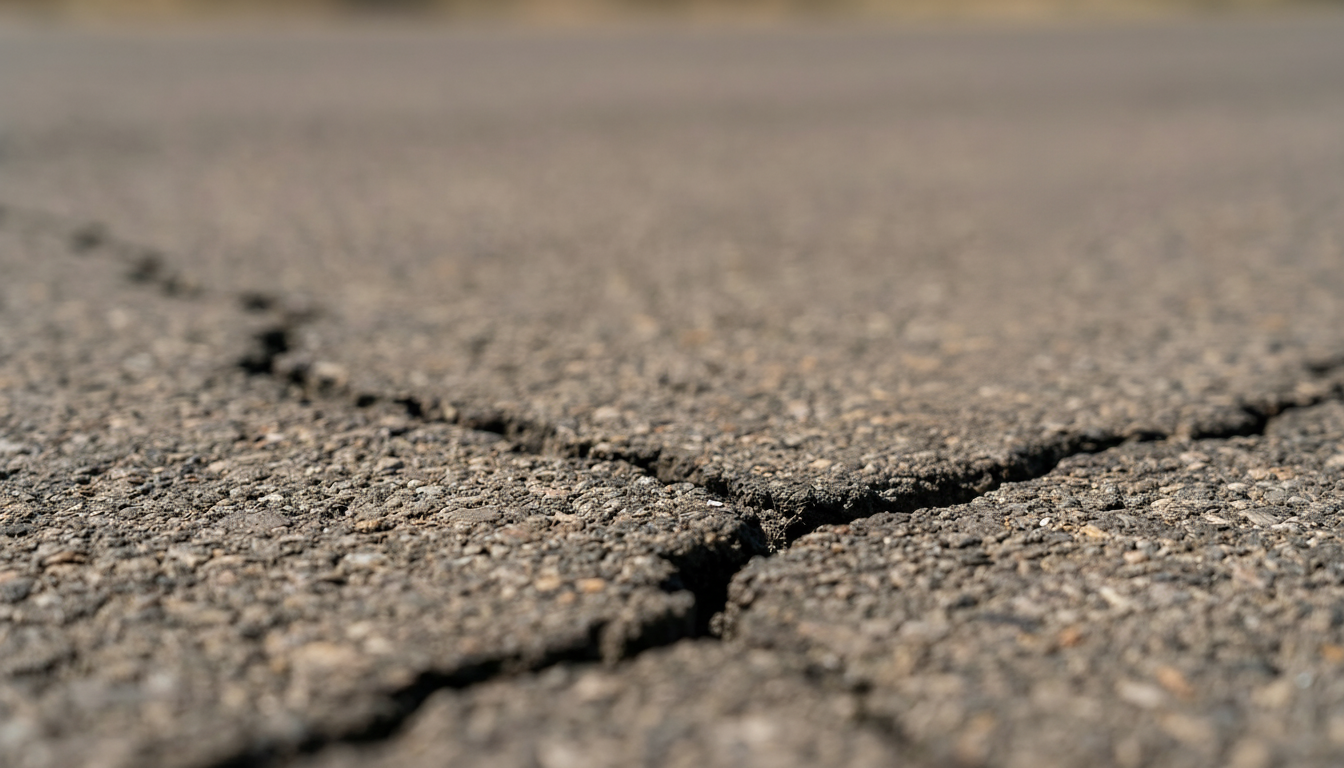
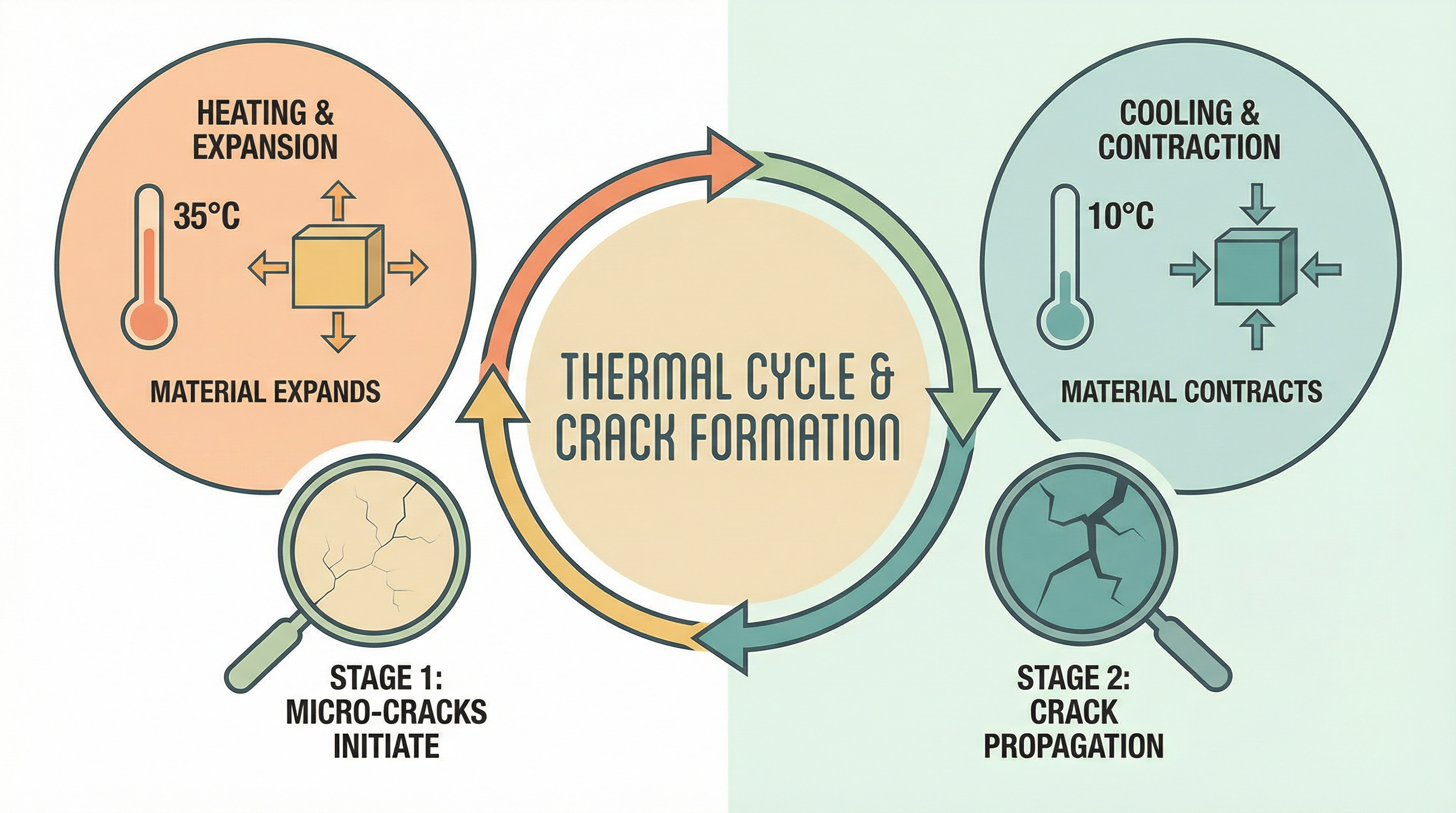
Florida’s year-round heat puts your asphalt through constant stress. When temperatures soar above 95°F (and pavement surfaces hit 140°F), your asphalt expands. When it cools during those afternoon thunderstorms, it contracts. This endless cycle of expansion and contraction eventually exceeds what aged asphalt can handle.
In Davenport, where tourism traffic from nearby Orlando creates heavy loading on driveways and commercial lots, this thermal stress becomes even more problematic. Your pavement is literally fighting a daily battle against temperature swings while supporting increasing traffic loads.
The Sun’s Invisible Attack
Florida’s intense UV rays wage a chemical war on your asphalt. This process, called oxidation, gradually transforms flexible asphalt binder into a brittle material that cracks under normal movement. You can actually see this happening—fresh asphalt starts deep black and flexible, while aged asphalt turns gray and crumbly.
In Ocala’s horse country, where the region earned its title as the “Horse Capital of the World,” large exposed surfaces like stable driveways and arena access roads face particularly intense UV exposure. These expansive areas receive direct sunlight for hours, accelerating the aging process that leads to crack formation.
Hidden Problems Below the Surface
Sometimes cracks aren’t really about the asphalt at all. Reflection cracking occurs when movement in the base layer underneath telegraphs through to the surface. This is especially common in Central Florida’s limestone terrain, where seasonal moisture changes cause subtle base movements that eventually appear as surface cracks.
Marion County’s limestone subgrade, prevalent throughout the Ocala area, can shift with moisture changes, creating stress points that propagate upward through your pavement.
Why Florida’s Climate Makes Everything Worse
The Heat-Humidity Double Threat
Florida’s humid subtropical climate creates unique challenges you won’t find in northern states. While northern pavements deal with freeze-thaw cycles, Florida asphalt faces constant thermal stress without the relief of winter dormancy.
Summer temperatures regularly push pavement surfaces beyond their design limits. When asphalt becomes soft from heat, it’s more susceptible to deformation and cracking under load—especially problematic for Davenport’s vacation rental properties that see heavy RV and moving truck traffic during peak seasons.
When Rain Becomes the Enemy
Florida’s intense summer rainfall—often exceeding 50 inches annually—turns small cracks into major problems. Once water infiltrates through cracks, it accelerates deterioration in several ways:
Weakens the bond between asphalt and aggregate
Saturates the base, causing swelling and settlement
Creates freeze-thaw damage in rare cold snaps
For Ocala’s equestrian facilities, where horse traffic and agricultural activities can compact soils and create drainage issues, water infiltration becomes an even more serious concern.
Professional Crack Sealing: Your Best Defense
The Hot-Pour Advantage
Professional crack sealing using hot-pour rubberized sealants provides superior protection compared to DIY solutions. This process involves heating specialized sealant to 375-400°F, ensuring proper flow and adhesion that can flex with Florida’s thermal movement.
APC Asphalt Paving, led by owner John Wells, uses professional-grade equipment and materials specifically chosen for Florida’s demanding conditions. Our experience serving communities from Crystal River to Melbourne has taught us that proper surface preparation is critical—cracks must be thoroughly cleaned of debris, vegetation, and oxidized asphalt for the sealant to bond effectively.
Timing Matters in Florida
While Florida’s year-round paving season offers flexibility, optimal conditions still matter for crack sealing success. Spring and fall provide ideal temperatures and humidity levels, while summer applications require careful timing to avoid afternoon thunderstorms.
For Davenport businesses dependent on tourism, we schedule crack sealing during slower periods to minimize disruption. Ocala’s horse facilities benefit from fall applications—after summer’s intense heat but before winter’s increased activity season.
A Complete Approach to Crack Prevention
Beyond Just Sealing Cracks
Effective crack prevention requires more than addressing existing damage. A comprehensive maintenance program includes:
Annual inspections to catch problems early
Crack sealing to prevent water infiltration
Sealcoating every 2-3 years to protect against UV damage
Proper drainage maintenance to prevent water-related issues
This integrated approach can extend your pavement life to 20+ years with proper care—delivering significant return on investment for property owners throughout Central Florida.
The Cost of Waiting
Small cracks that cost hundreds to seal today can become thousands in reconstruction costs tomorrow. Water infiltration through unsealed cracks weakens the entire pavement structure, leading to potholes, edge failures, and eventually complete pavement replacement.
In Spring Hill, Clearwater, and other coastal communities we serve, salt air adds another layer of complexity to pavement preservation, making early intervention even more critical.
Understanding why asphalt cracks form in Florida’s challenging climate is your first step toward protection. Whether you’re managing a Brandon commercial property, maintaining a Sarasota residential driveway, or caring for one of Williston’s agricultural facilities, professional crack prevention delivers proven results.
APC Asphalt Paving brings specialized expertise in Florida’s unique conditions, from Arcadia to Jacksonville. Our comprehensive approach addresses root causes while providing cost-effective solutions that extend pavement life and protect property values.
Don’t let small cracks become major headaches. Contact APC Asphalt Paving today for a free inspection and discover how professional crack sealing can save you thousands in future repairs.
Ready to protect your pavement? Call APC Asphalt Paving now to schedule your consultation. We serve Davenport, Ocala, and communities throughout Central Florida with expert crack sealing and comprehensive maintenance solutions.
Visit us at apcasphaltpaving.com or call today—your asphalt will thank you.
